The medical world experiences rapid change. New biological discoveries redefine healthcare. They shift focus from general treatment to precision medicine. This approach recognizes individual uniqueness. It tailors treatment based on genetics and lifestyle. This article explores these newest trends. It maintains a scientifically accurate focus.
Genomics and Personalized Medicine
Personalized medicine dominates new research. It moves beyond a one-size-fits-all approach. Doctors use a person’s unique biological data. This leads to more effective, specific interventions. Genomic technologies drive this revolution.
Whole-Genome Sequencing Revolutionizes Diagnostics
Whole-genome sequencing (WGS) is now faster. It is also significantly more affordable. WGS maps an organism’s entire DNA sequence. This gives a complete genetic blueprint. Clinicians use this data to find disease-causing mutations. This proves especially helpful for rare genetic disorders. Early diagnosis improves patient outcomes greatly. It allows for timely and targeted interventions. WGS offers a comprehensive view of genetic risk factors.
Pharmacogenomics Optimizes Drug Treatments
Pharmacogenomics studies gene influence on drug response. A person’s genes affect drug absorption and metabolism. This impacts how effective a medicine will be. It also determines potential side effects. Genomic data helps doctors select the optimal drug and dose. This approach minimizes adverse drug reactions. It maximizes the therapy’s benefit for the patient.
Gene Editing and Cellular Therapies
Gene editing represents a massive breakthrough. It allows scientists to modify DNA precisely. This technology holds immense promise for treating genetic diseases. Cellular therapies use living cells as medicine.
CRISPR-Cas9 Technology Advances Rapidly
The CRISPR-Cas9 system remains a central tool. This system allows precise, targeted changes in the genome. Researchers use it to correct single-gene mutations. They aim to treat diseases like sickle cell anemia and thalassemia. Scientists continuously improve CRISPR’s delivery methods. They also work on enhancing its editing accuracy. This ensures fewer unintended off-target edits occur.
Base Editing and Prime Editing Offer Precision
Newer gene-editing tools increase precision. Base editing changes single DNA letters. It converts one nucleotide to another without cutting the double helix. Prime editing acts like a “search and replace” function. It allows for small insertions or deletions. These methods reduce the risk of chromosome damage. They open doors for correcting a wider mutation range.
CAR T-Cell Therapy Redefines Cancer Treatment
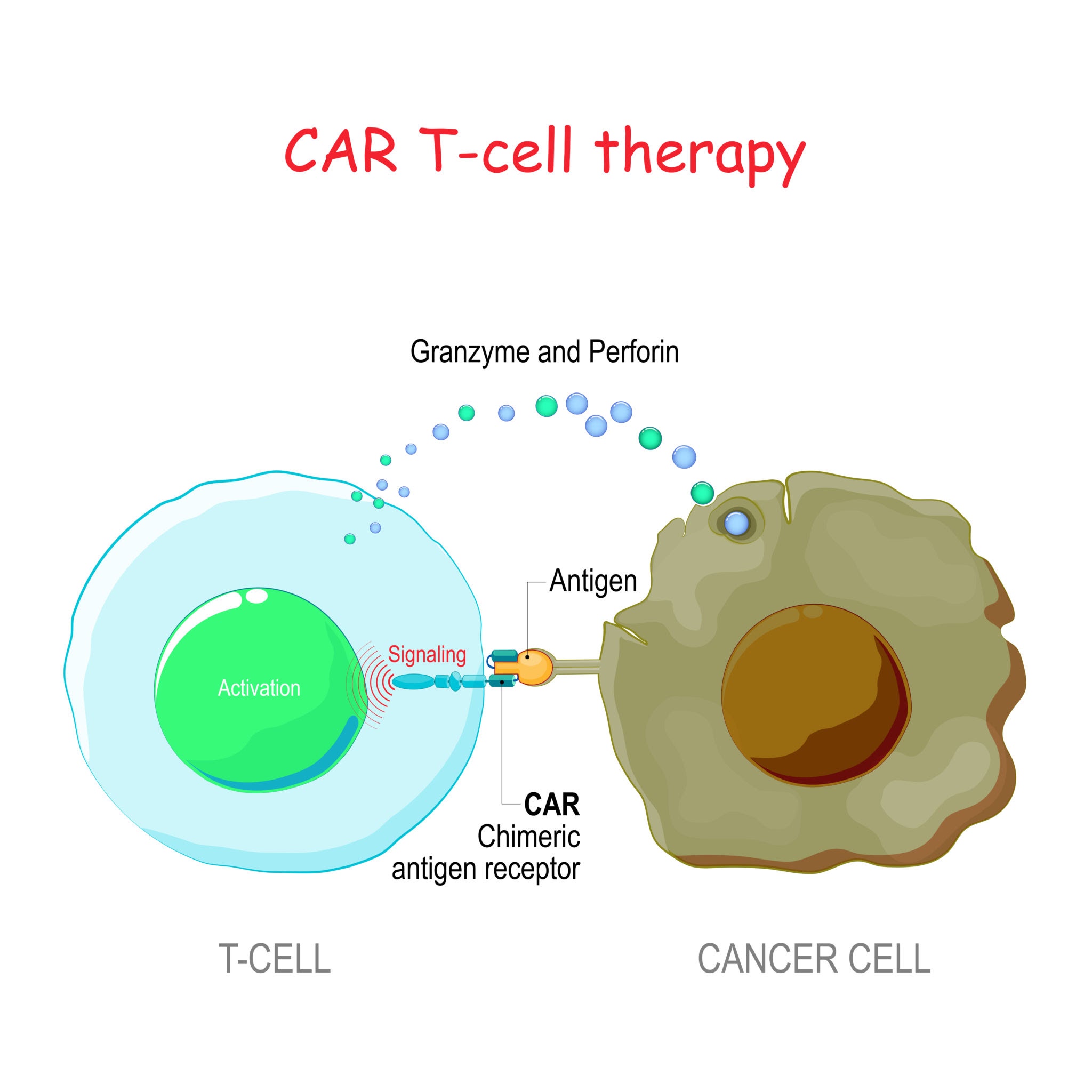
Chimeric Antigen Receptor (CAR) T-cell therapy uses a patient’s own cells. Doctors modify T-cells to recognize and attack cancer. They equip the T-cells with a CAR receptor. This receptor targets specific cancer antigens. The modified T-cells then effectively destroy tumor cells. This therapy shows remarkable success against certain blood cancers. Researchers now work to extend its use to solid tumors.
The Multi-Omics Approach
Modern biology generates massive amounts of data. Scientists integrate data from various “omics” fields. This multi-omics approach provides a holistic view of biology. It moves beyond looking at genes in isolation.
Understanding the Molecular Landscape with Multi-Omics
Multi-omics combines data from several sources. These include genomics, proteomics, and metabolomics.
- Genomics studies the entire genome.
- Proteomics examines the complete set of proteins.
- Metabolomics analyzes small-molecule metabolites. Integrating these layers gives a clearer disease picture. It helps identify complex disease pathways.
Epigenomics and Transcriptomics Add Depth
Epigenomics looks at changes in gene expression. These changes happen without altering the DNA sequence itself. Factors like environment and lifestyle influence them. Transcriptomics measures RNA molecule levels. RNA acts as the messenger between genes and proteins. Combining these data sets reveals regulatory networks. This offers better insight into disease development and progression.
Artificial Intelligence in Biomedicine
Artificial intelligence (AI) is transforming research. It helps scientists manage and interpret data. AI significantly accelerates discovery in biology and medicine. Machine learning models prove essential in this work.
AI Accelerates Drug Discovery and Development
AI models analyze vast chemical compound libraries. They quickly predict potential drug candidates. They assess properties like efficacy and toxicity. This significantly reduces the time for pre-clinical trials. It also lowers the cost of drug development. AI designs molecules tailored for specific disease targets.
Machine Learning Improves Diagnostics
Machine learning algorithms analyze patient data. This includes images, lab results, and genetic information. AI aids in the early detection of diseases. For example, it analyzes medical images like mammograms or CT scans. It identifies subtle patterns missed by the human eye. This improves diagnostic accuracy and speed.
AI in Protein Folding and Structure Prediction
Predicting a protein’s 3D structure is crucial. A protein’s structure determines its function. AI tools like AlphaFold accurately predict these structures. This accelerates understanding of disease mechanisms. It aids in designing new drugs that target these specific proteins.
Regenerative Medicine and Tissue Engineering
Regenerative medicine focuses on repair and replacement. It aims to restore damaged tissues and organs. This field uses cells, engineering, and biochemistry. It represents a major area of medical innovation.
Stem Cell Therapy for Organ Repair
Stem cells are undifferentiated cells. They have the ability to develop into many cell types. Scientists use them to repair damaged tissues or organs. Induced pluripotent stem cells (iPSCs) are a key focus. Researchers reprogram adult cells back into a stem-cell state. This technique avoids ethical concerns of embryonic stem cells. It also allows for patient-specific cell sources.
Organoids Model Human Disease
Organoids are miniature, self-organizing 3D structures. They mimic the complexity of full organs. They are grown in vitro from stem cells. Researchers use these “mini-organs” to study diseases. They can test new drugs in a more realistic human context. Organoids for the brain, gut, and kidney are actively used. This reduces the reliance on animal testing.
Bioprinting Creates Functional Tissues
3D bioprinting involves layering biological materials precisely. It uses cells and biomaterials, or “bio-ink.” The goal is to create functional, replacement tissues. Current work focuses on skin grafts and vascular structures. Ultimately, scientists aim for printing entire complex organs. This offers hope for patients needing organ transplants.
The Microbiome’s Role in Health
The human microbiome contains trillions of microbes. These live in and on the human body. Research reveals their deep influence on health and disease. This area presents fertile ground for new treatments.
Gut-Brain Axis Research Explodes
The gut microbiome communicates with the brain. This connection is the gut-brain axis. The microbes produce neurotransmitters and metabolites. These affect mood, behavior, and neurological health. Scientists link gut health to conditions like depression and Parkinson’s. New therapies target the microbiome to improve mental health.
Fecal Microbiota Transplantation and Probiotics
Fecal Microbiota Transplantation (FMT) treats C. difficile infection. It restores a healthy balance of gut bacteria. Researchers explore FMT for other conditions too. These include inflammatory bowel disease and metabolic syndrome. New designer probiotics contain specific, beneficial strains. They offer a targeted approach to microbial manipulation.
mRNA Vaccines and Therapeutics
mRNA technology proved its power against COVID-19. This platform offers a flexible and rapid development system. Scientists are now exploring its use for other diseases.
Next-Generation Cancer Immunotherapies
Researchers design mRNA cancer vaccines. These instruct cells to produce tumor-specific antigens. The body’s immune system recognizes these antigens. It then launches a targeted attack against cancer cells. This represents a promising avenue for personalized oncology.
Addressing Autoimmune and Infectious Diseases
mRNA technology shows potential for autoimmune disorders. It could deliver instructions to modulate the immune response. Scientists are developing mRNA vaccines for influenza and HIV. The speed of production is a major advantage. It allows for a faster response to emerging pathogens.
Conclusion: The Future of Health
The fusion of biology, medicine, and technology accelerates progress. Precision medicine drives treatment personalization. AI and multi-omics provide unprecedented insights. Gene editing and cell therapy offer transformative cures. These newest topics in biology and medicine herald a healthier future. They promise more effective, individualized patient care globally.
FAQ
Precision medicine uses individual patient data. This includes genetics, environment, and lifestyle. Standard practice often relies on population-wide averages. Precision medicine targets treatment to a patient’s unique makeup. This makes therapy more effective.